Brand Story
From a lacquer trading legend in 1925 to an industrial answer sheet in the new era.
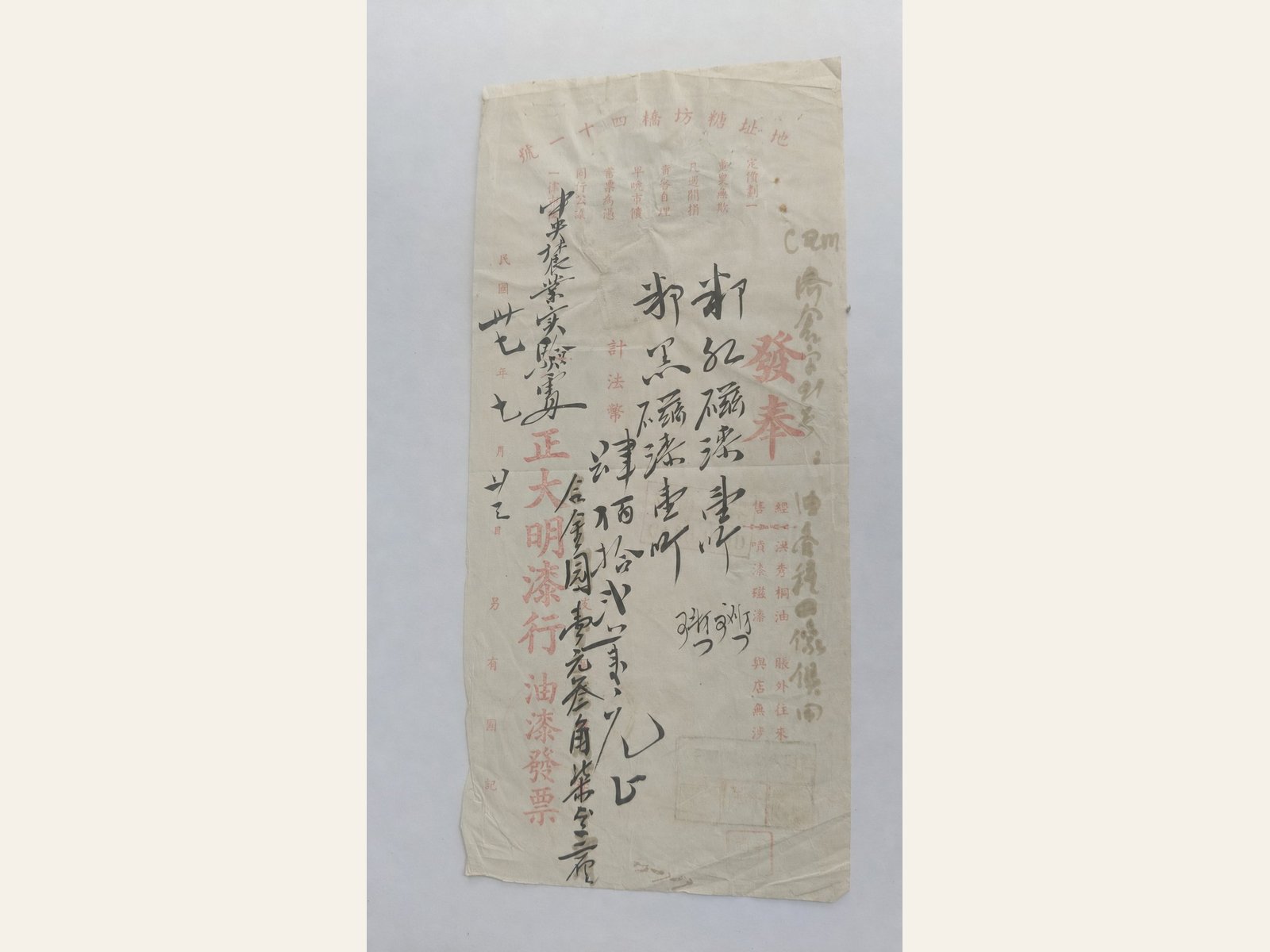
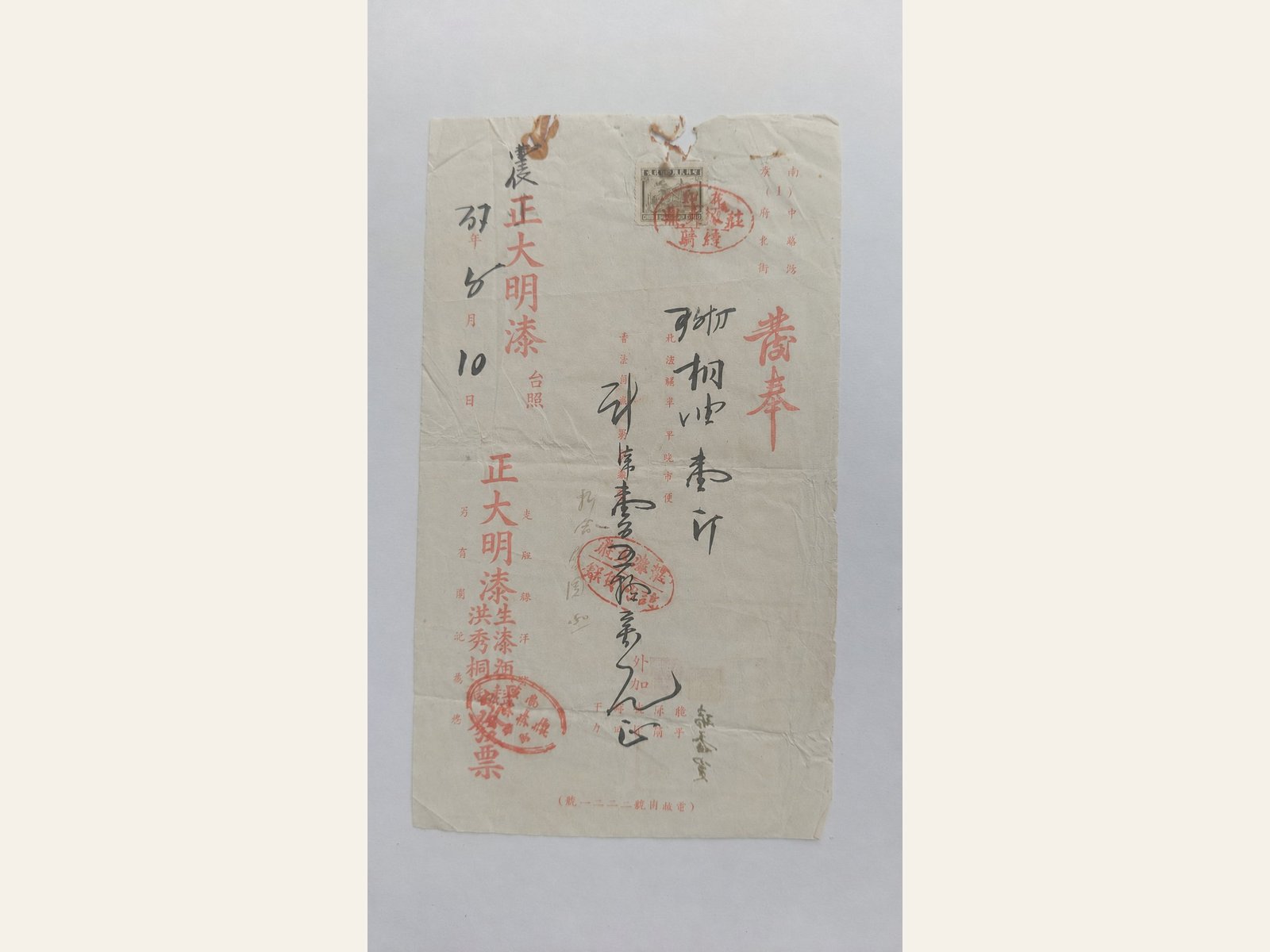
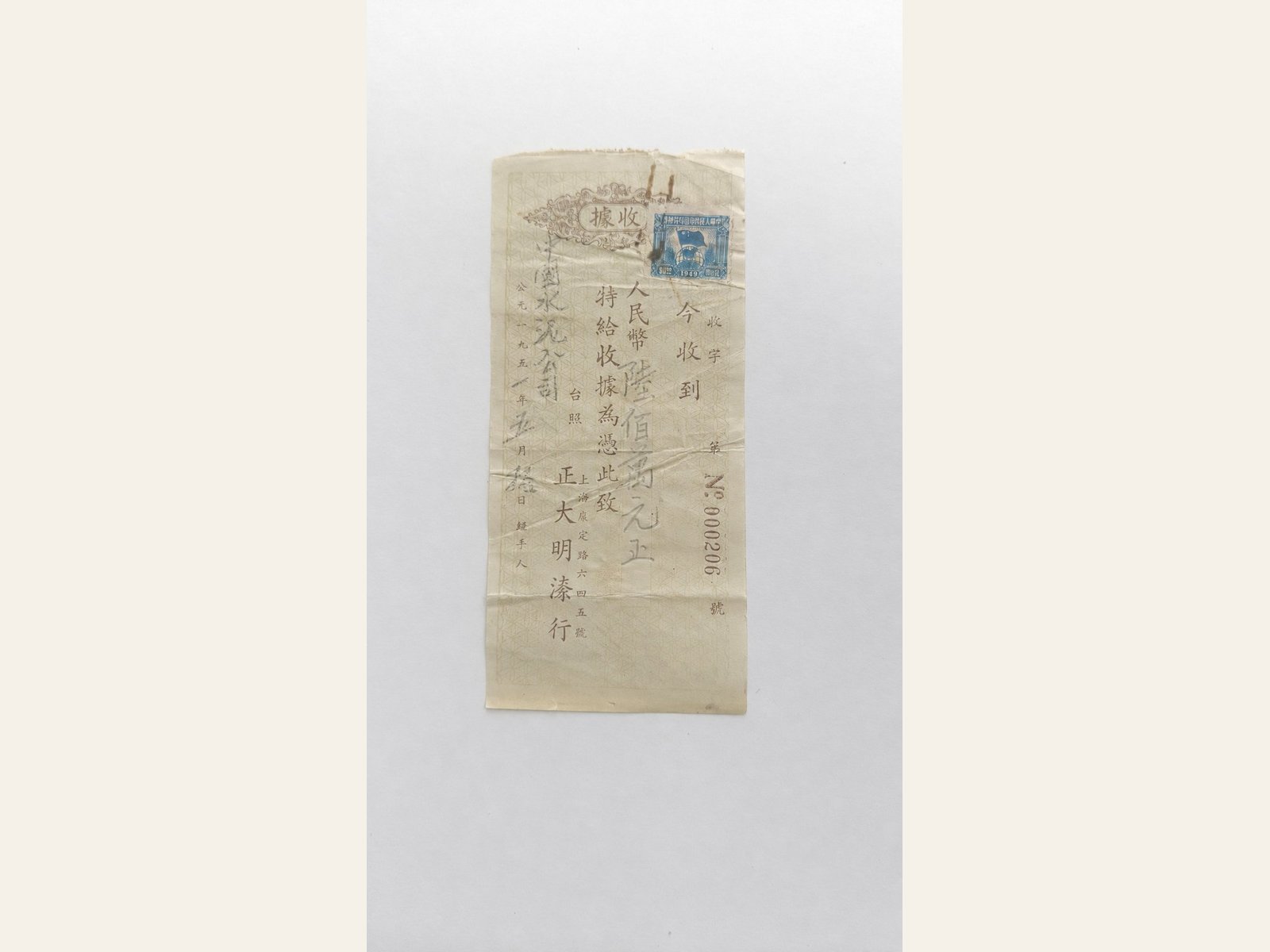
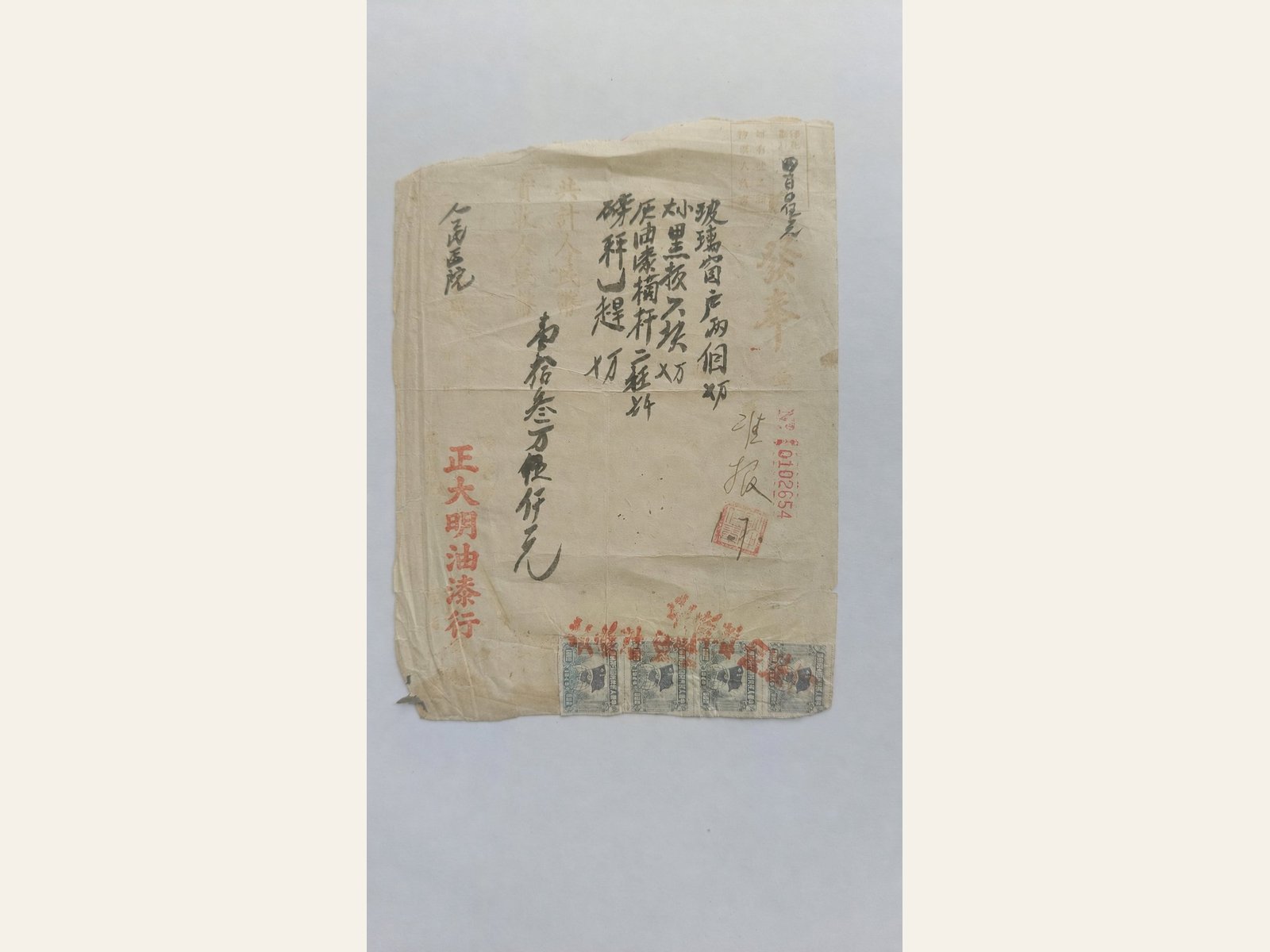
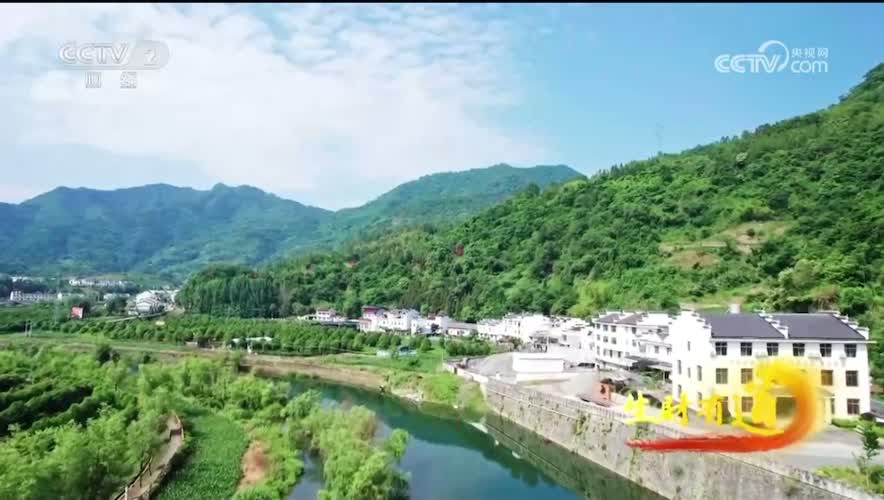
In the fourteenth year of the Republic of China (1925), the Pingli merchant Yuan Yongling and his fellow townspeople founded the Zhengdaming trading house in the Qinba mountains, beginning a lacquer trading legend — at its height, it was counted among China's 'four major lacquer houses' alongside 'Zhan Yutai' of Hankou, 'Nan Juxing' of Shanghai and 'Zhou Chengtai' of Ningbo. Every drop of raw lacquer harvested from the Pingli lacquer forests flowed through the scales and hands of the Zhengdaming trading house to lacquer workshops large and small across the country. Lacquer farmers trusted its scales, and artisans trusted its color — the two characters 'Zheng' and 'Ming' were the quality standard of that era.
A hundred years later, the bloodline of the trading house passed into the hands of Yuan Duanjiao, a descendant of the Yuan family. In 2014, having just completed her master's degree, she stood at a crossroads in life: to pursue a career in the city, or to return to the depths of the mountains and take up the baton from her parents' generation? Her family strongly objected and her classmates were deeply puzzled, and her income back home might be less than half that of her peers in the city. But she held on to one simple thought — 'This has been passed into my hands, and it must not end with me.'
The early days of the business were far harder than imagined: high-quality natural raw lacquer sat on the shelves with no buyers, as consumers looked only at price and not at quality; factories found the process cumbersome and feared allergy risks, preferring to keep using their old materials rather than try this gift from the mountains; the free skills training classes drew almost no one, as young people found the work too hard and were unwilling to enter the trade; funds once ran critically low, and on countless sleepless nights the thought of giving up surfaced again and again.
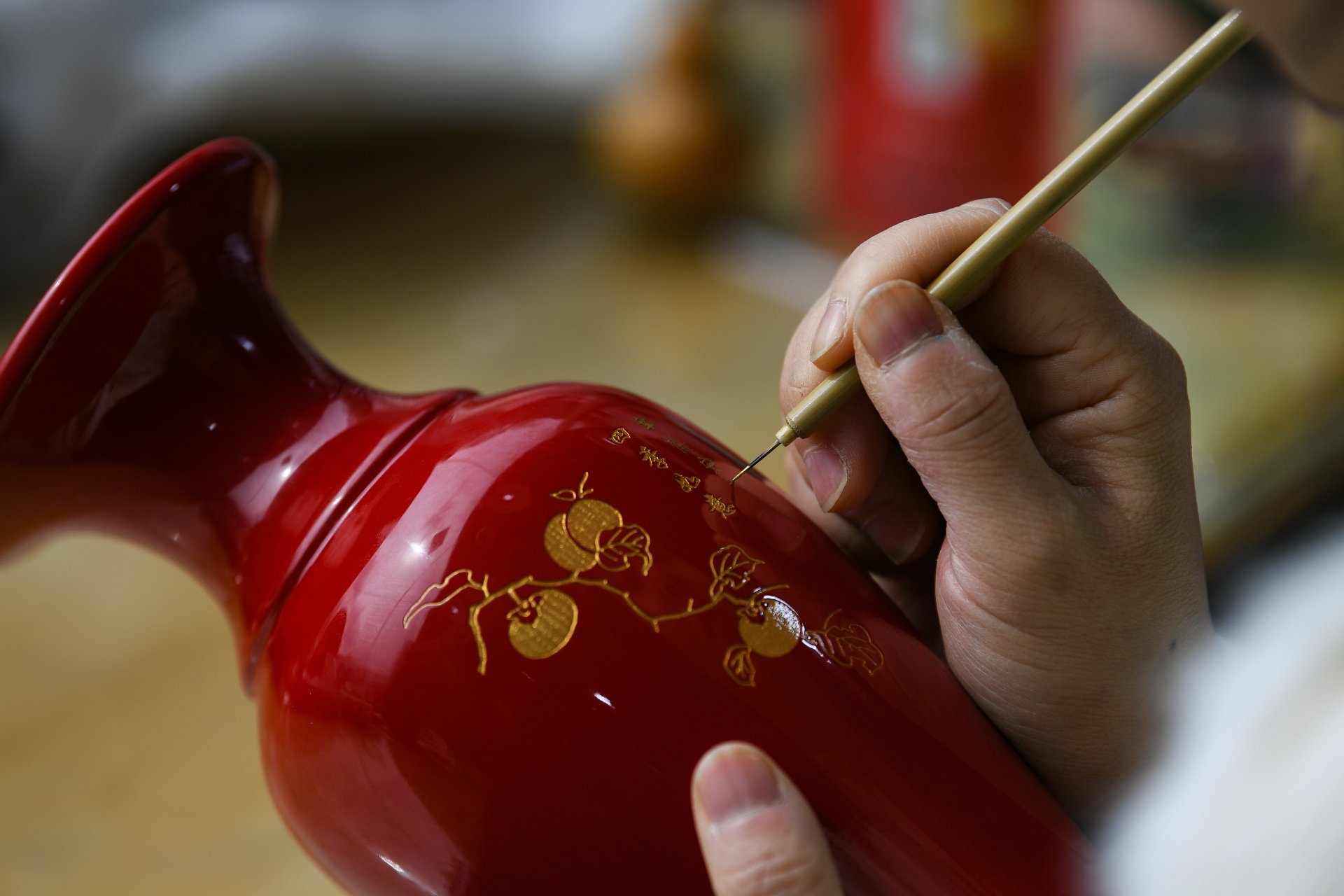
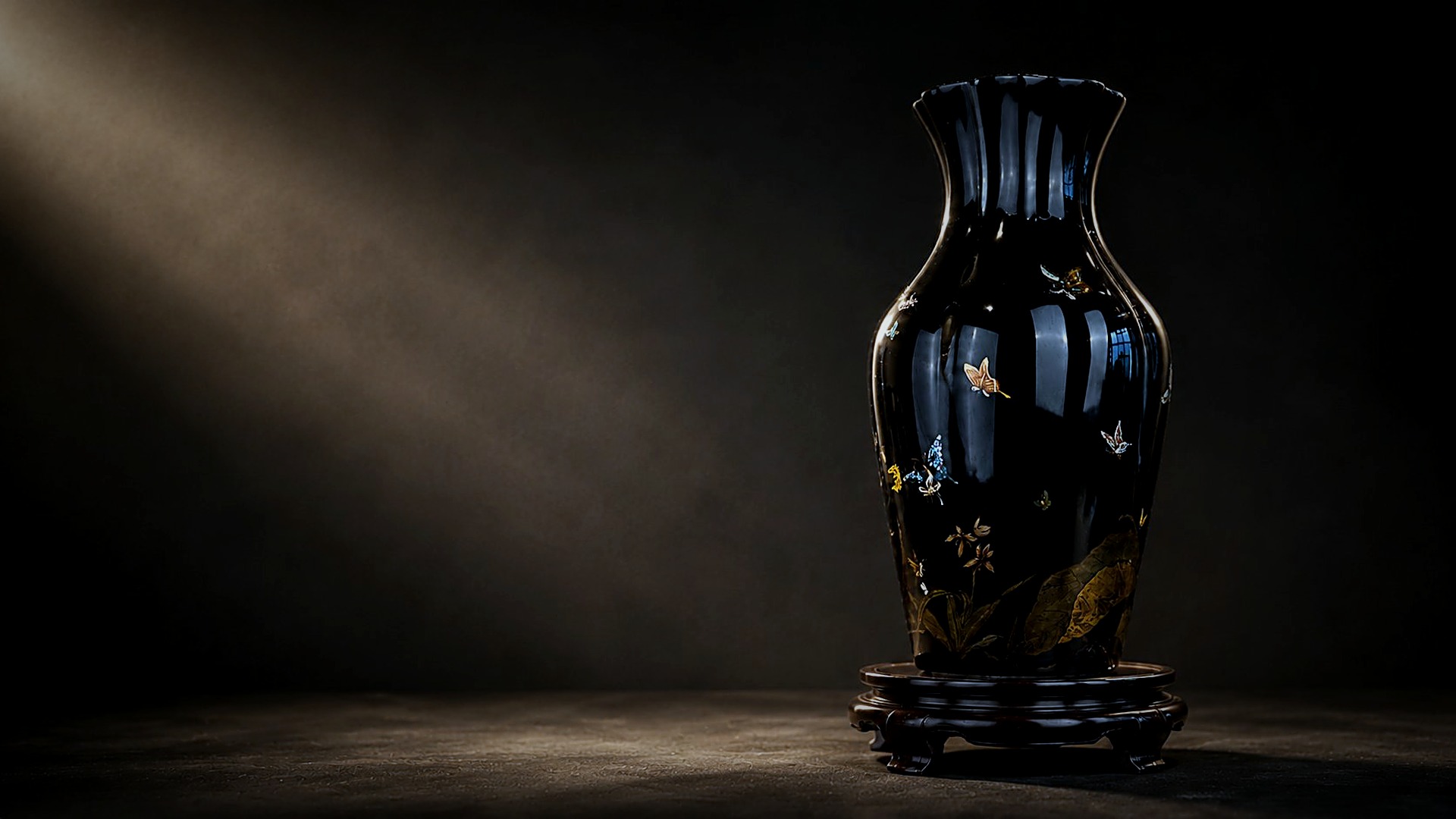
The turning point came from 'telling our own story in the language of the world'. Using the German iF Design Award as a bridge, she set Eastern Chinese lacquer in dialogue with contemporary aesthetics; she developed fast-drying, hypoallergenic and high-saturation colored Chinese lacquer and obtained a national invention patent, addressing the industry's pain points of slow drying and allergic reaction; she participated in formulating national industry standards including the 'Technical Regulations for Lacquer Tree Afforestation (GH/T 1299-2020)', setting a benchmark for the standardization of the Chinese lacquer market. From 'Jinzhou Craftsman' to Arts and Crafts Master of Shaanxi Province and provincial ICH inheritor of lacquer art, in 2022 the lacquerware work 'Hantang' won the Gold Award at the Shenzhen International Cultural Industries Fair — the century-old trading house has returned to a prominent position in the industry.
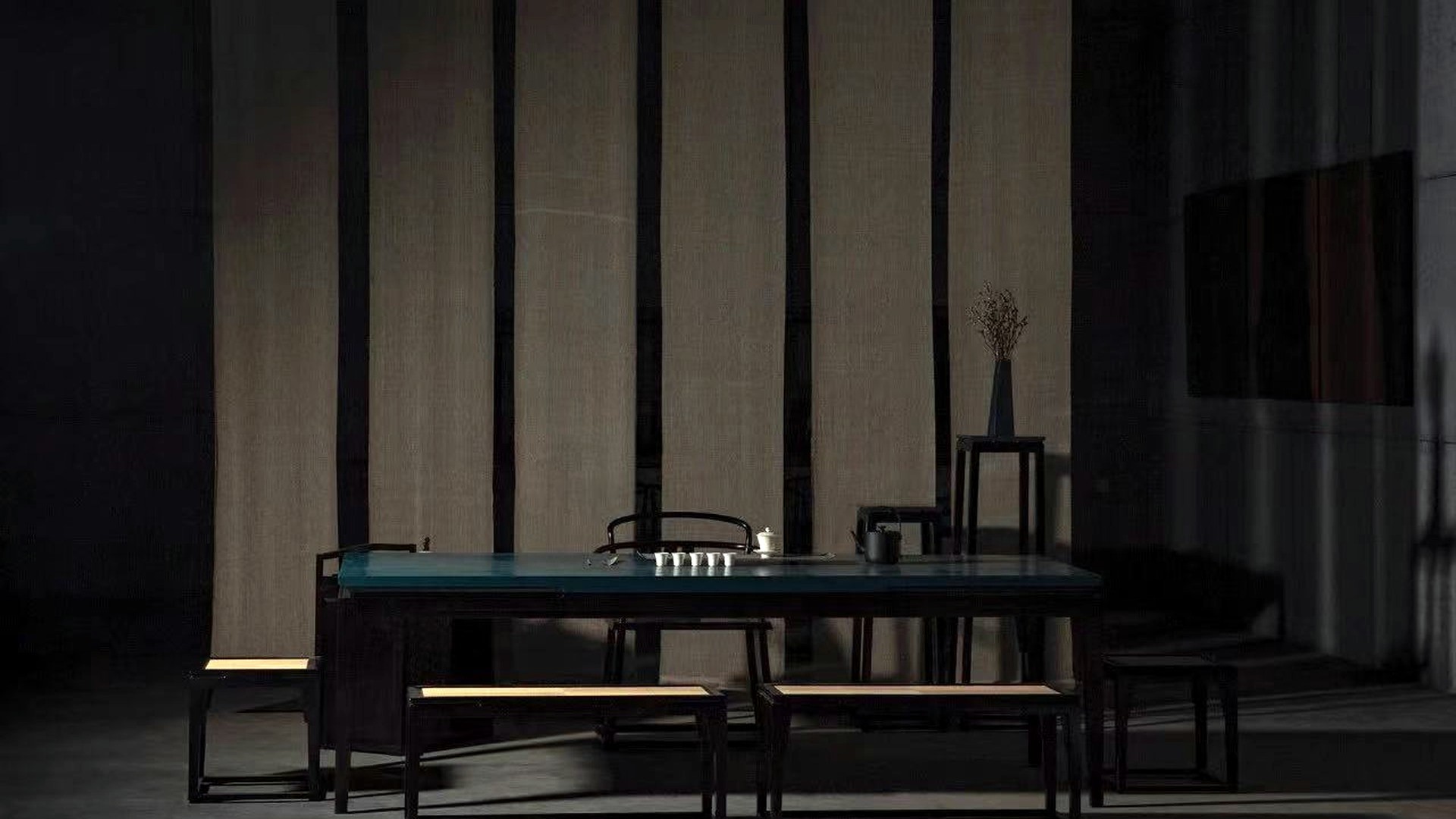
Today's Zhengdaming has grown from a single trading house into a brand portfolio: Zhengdaming Lacquer, Longtou Guoqi, Niuwang Guoqi and Suishiji stand side by side, covering materials, objects and lifestyle scenarios; it has provided training to 1,680 participants and created jobs close to home for 335 people, raising average annual income by more than RMB 100,000 — the old craft is no longer merely protected heritage, but an industry that helps people live better.
Passing it on for generations — hoping that a hundred years from now the lacquer trees will still stand on the mountains, the lacquer will still be flowing, and the craft will still be handed down.
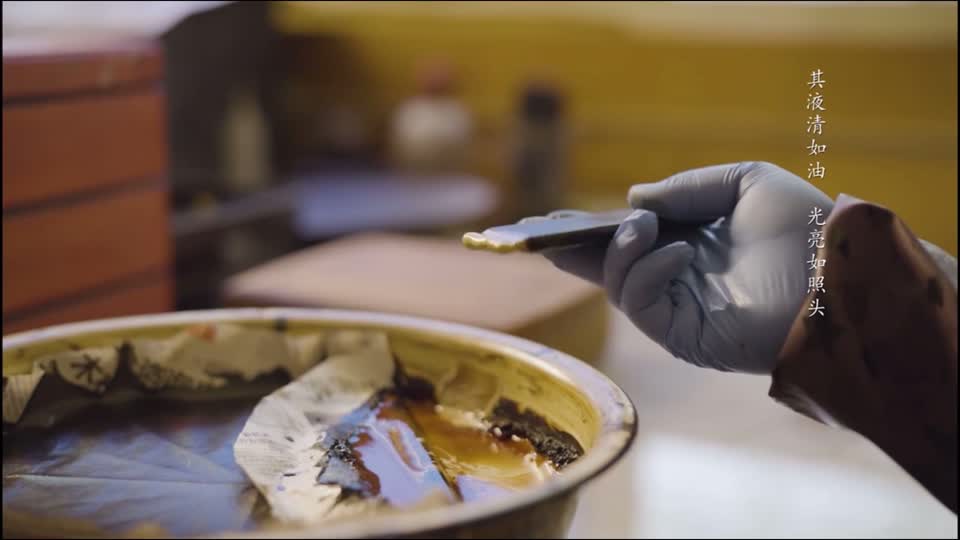
Today's Zhengdaming still keeps the scales of 1925: insisting on genuine natural raw lacquer and on traceable origin and batch, serving institutions, workshops, restoration organizations and dedicated enthusiasts with four product lines — lacquerware, refined lacquer, raw lacquer and tools. Using what eight thousand years have proven to do the work of the next hundred years — this is Zhengdaming's answer to the next century.