
Experts from cultural heritage institutions, universities and intangible cultural heritage workshops exchanged views on the application of Chinese lacquer in the restoration of historic buildings and cultural relics, calling for stronger training of young talents in lacquering skills.
Seminar topics
- The material suitability of Chinese lacquer in the restoration of historic timber structures, polychrome paintings and lacquered wooden objects;
- Pathways for connecting traditional lacquering techniques with modern cultural heritage conservation concepts;
- The impact of the stability of raw lacquer quality on restoration results;
- The training of young lacquering talent and industry-academia-research collaboration mechanisms.
Why cross-disciplinary work matters
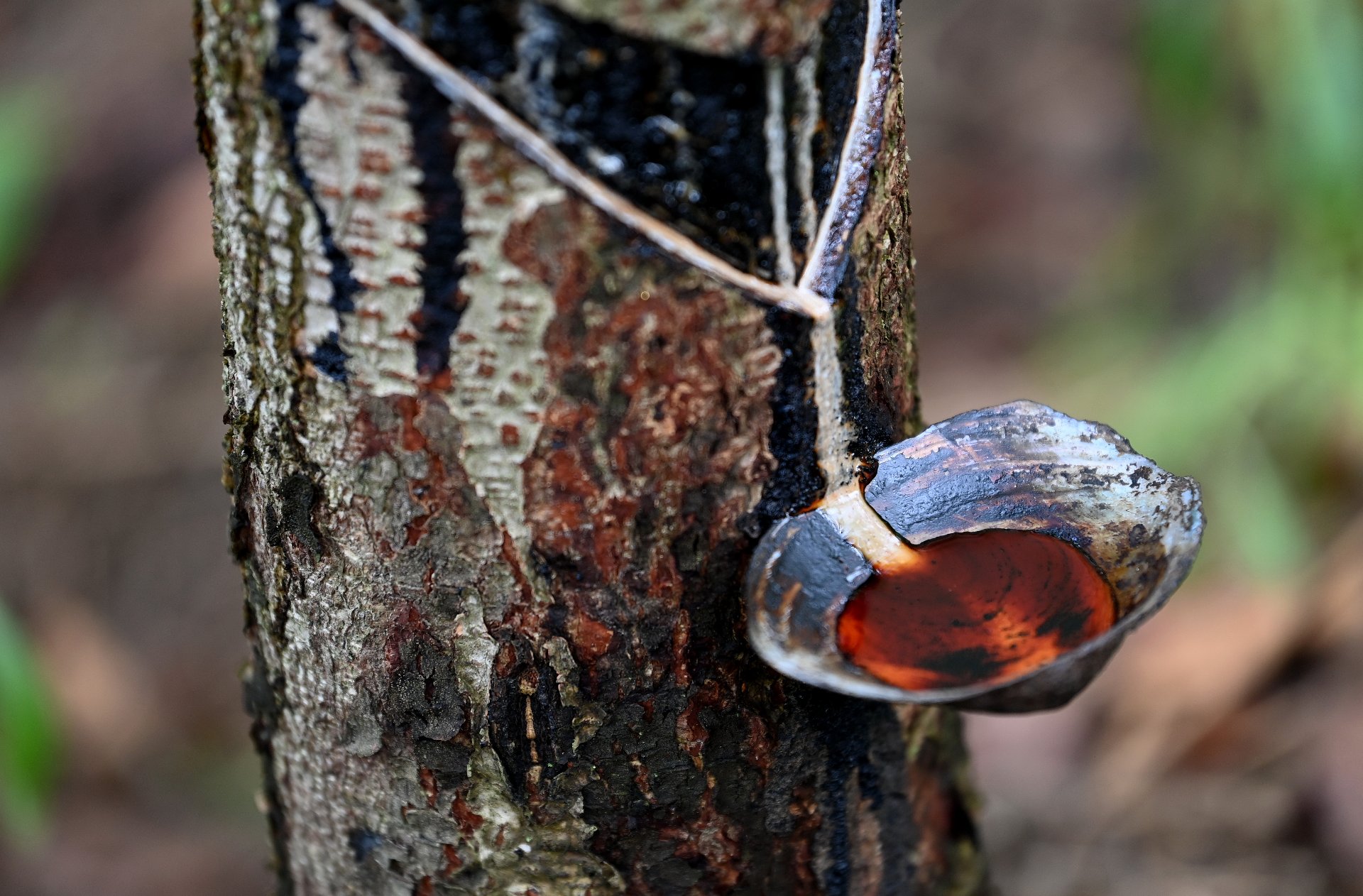
Chinese lacquer is both a material for contemporary creation and a restoration material that has been used for thousands of years. Cultural relic restoration places extremely high demands on the naturalness, reversibility and durability of materials, which gives natural Chinese lacquer a distinctive value; in turn, materials research in restoration practice can feed back into contemporary lacquerware creation and the improvement of refined lacquer techniques.
Talent is the strongest consensus
Experts at the seminar generally agreed that the core factor constraining the industry's development has shifted from raw materials to talent — there is a serious shortage of versatile professionals who understand both traditional craft and modern materials and design. The seminar called for the establishment of joint talent training pathways linking universities, cultural heritage institutions and intangible cultural heritage workshops.